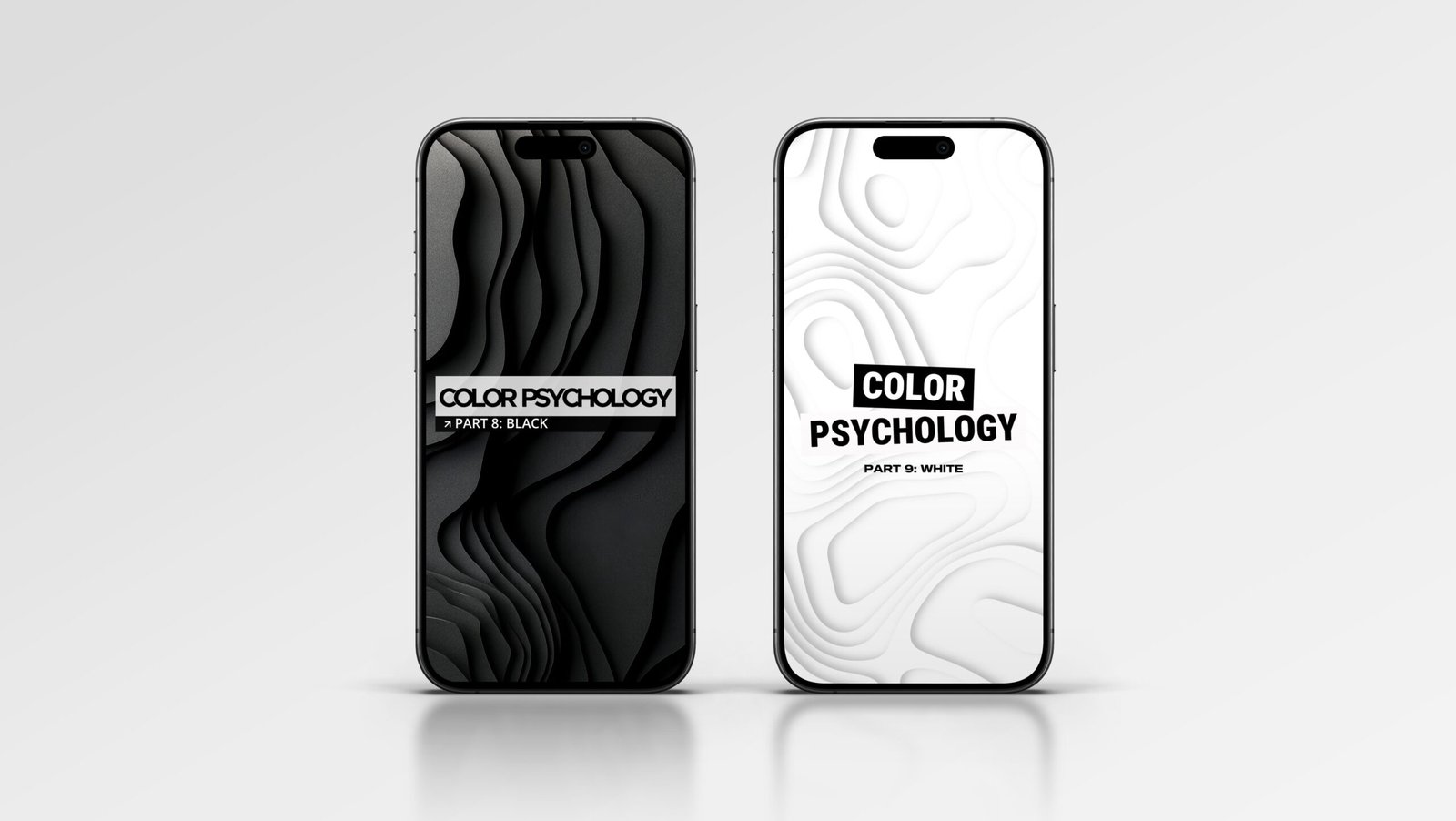
This week in my TikTok color psychology series, I explored two classic, timeless shades: black and white. Before diving into the breakdown, here’s where I stand overall: my page currently has 259 followers and 743 likes. It’s been exciting to see the growth each week as I’ve leaned into consistent posting and stuck with the best times to post on TikTok.
Color Psychology Recap
Since this series is all about how colors affect mood and perception, I focused on the psychological impact of black and white this week:
- Black: Often associated with sophistication, elegance, mystery, and power. It can create a sense of formality and authority, but also carries connotations of control and even intimidation. Black Color Psychology
- White: Represents purity, innocence, and simplicity. It’s a clean slate color that communicates openness and freshness, often tied to honesty and new beginnings. White Color Psychology
Together, these two colors are literally opposites, yet they balance each other and dominate design and fashion in ways that are timeless.
Performance Breakdown
Here’s how my videos performed this week:
Black
Posting Time: Thursday, 7pm EST
Video Length: 1:14 minutes
Included Sections: General Color Psychology, Culture, Graphic Design, Branding, and Interior Design (Residential)
Performance Metrics:
- Views: 992
- Likes: 79
- Comments: 0
- Shares: 4
- Saves: 9
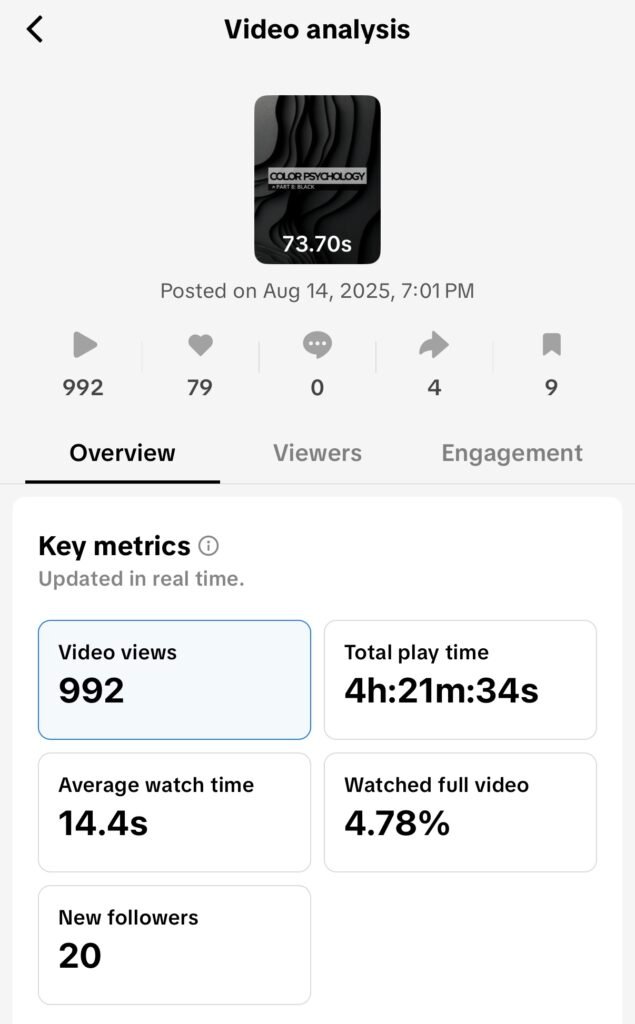
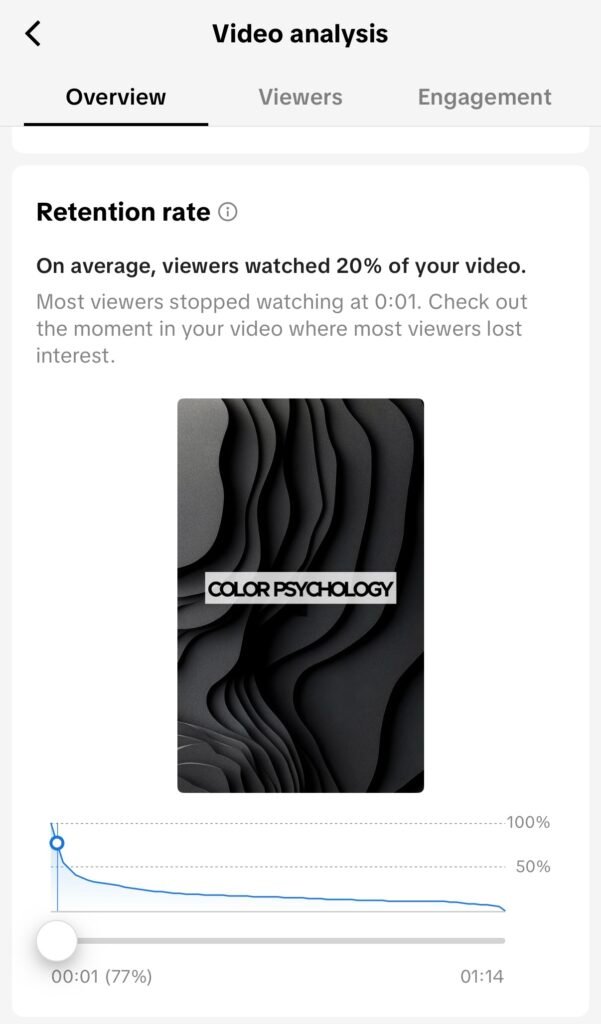
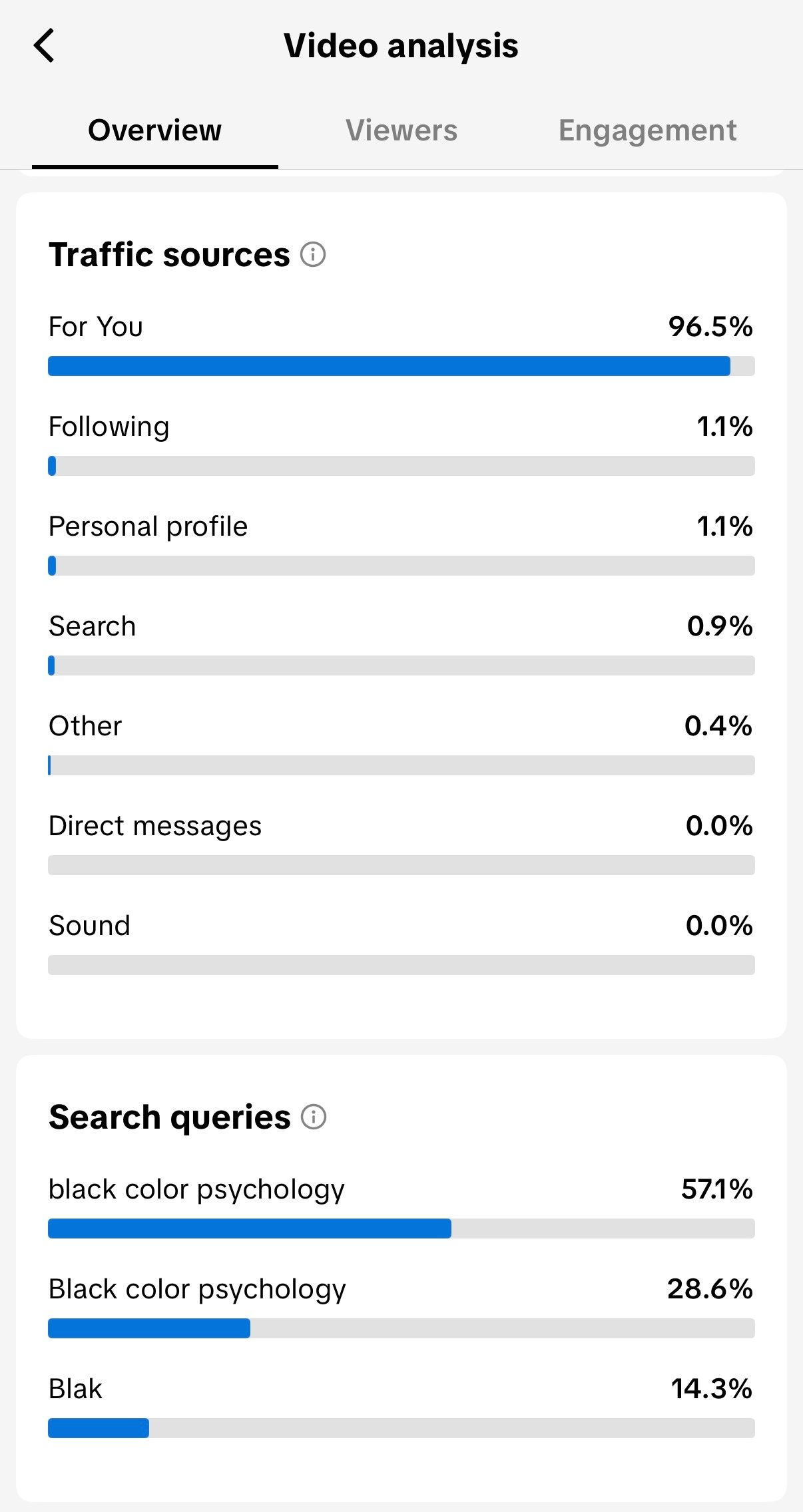
Analysis: Retention rate for this video reached 4.78% of viewers watching the whole thing. While that might seem small, it’s actually an improvement for me, and I think it’s largely due to the shorter length of this particular video.
White
Posting Time: Sunday, 4pm EST
Video Length: 1:36 minutes
Included Sections: General Color Psychology, Culture, Graphic Design, and Interior Design (Residential)
- Posted: Sunday, 4:00pm
- Length: 1 minute 30 seconds
- Views: 1,005
- Likes: 77
- Comments: 0
- Shares: 0
- Saves: 4
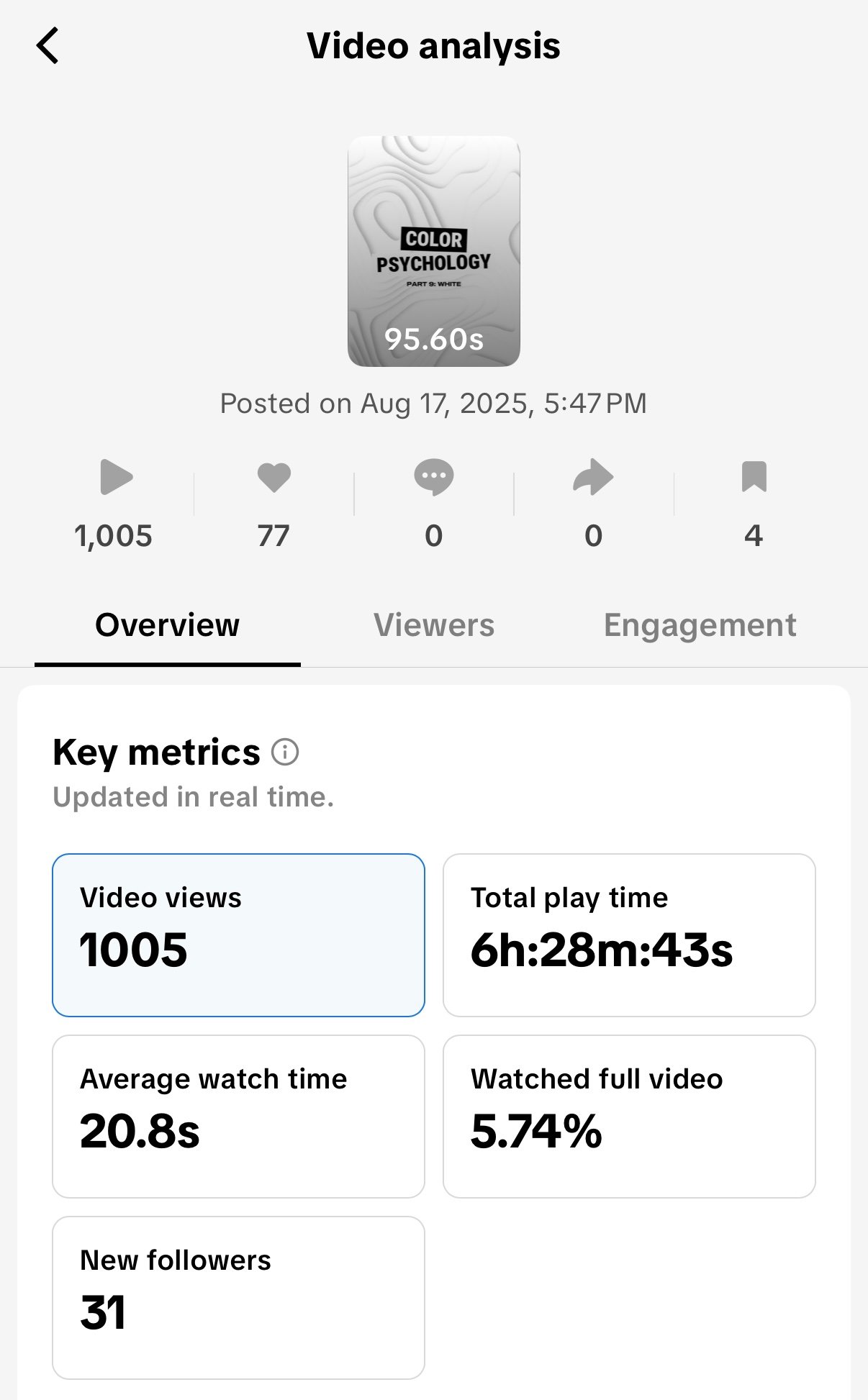
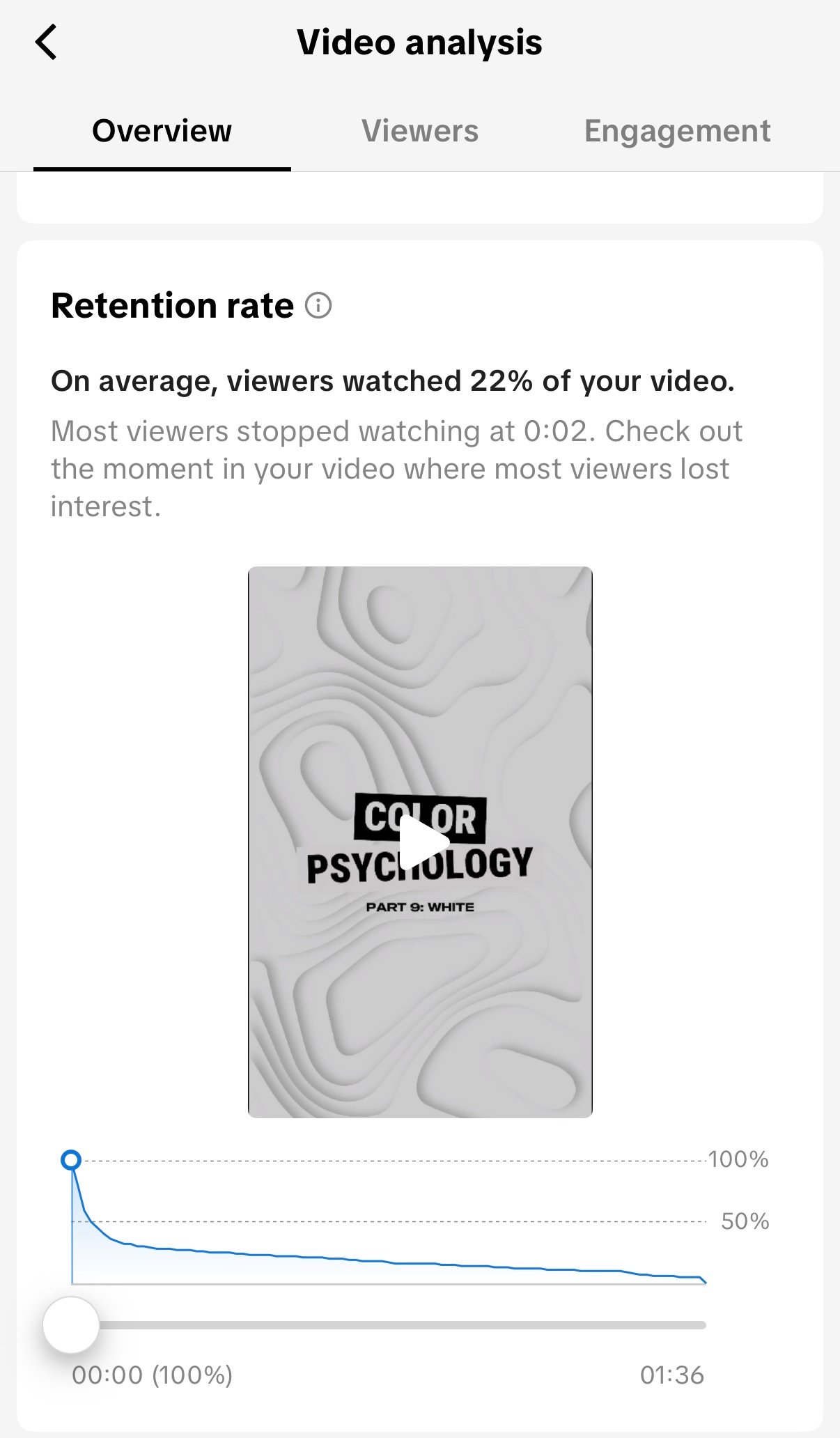
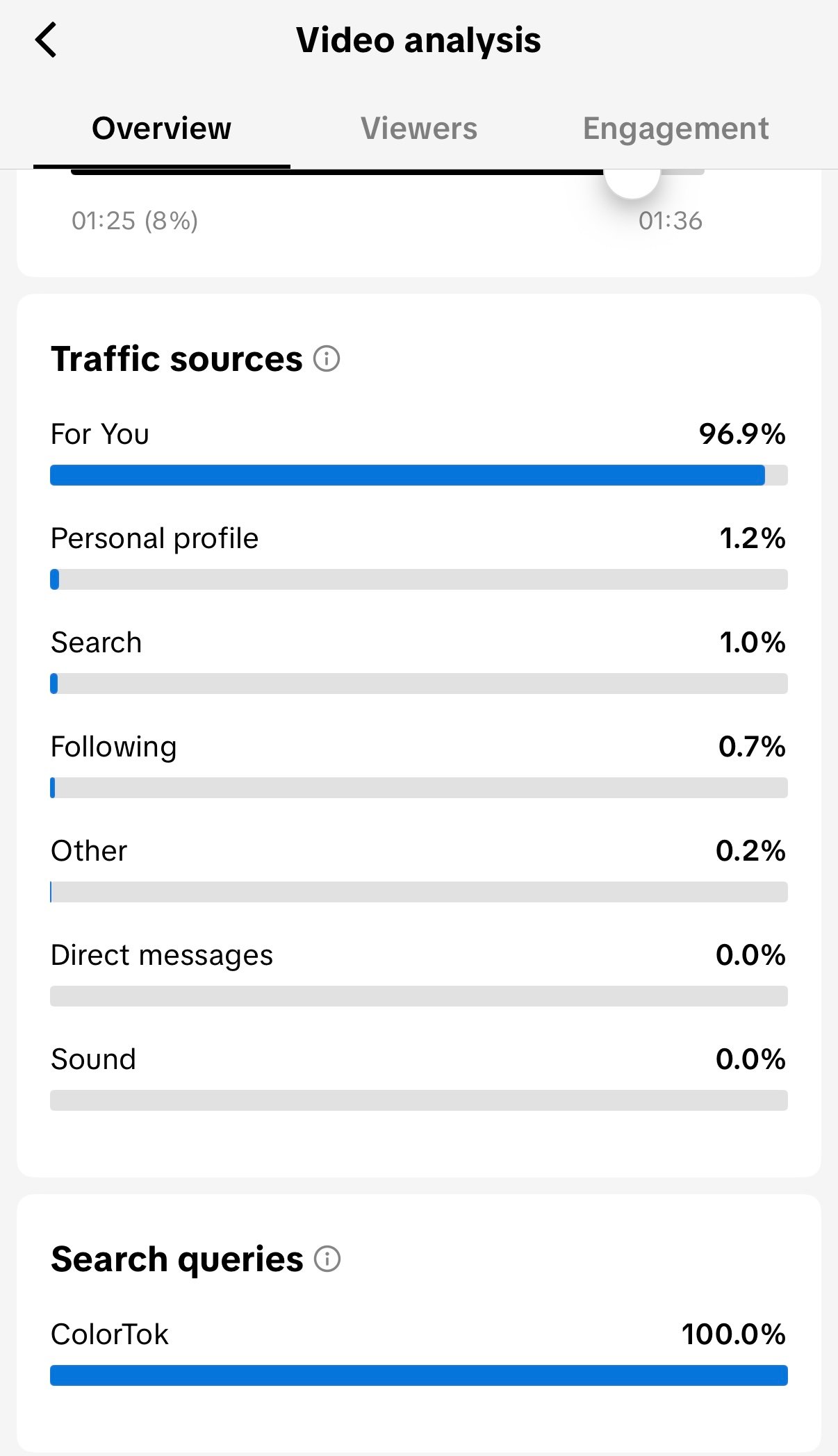
Analysis: Interestingly, white performed slightly better in terms of audience retention. The average watch time was 20.8 seconds, and 5.74% of viewers watched the entire video, which is a stronger completion rate compared to black. This suggests that viewers may have found the content on white more approachable or easier to connect with, whereas black, being a heavier, more complex color in psychology, may have required a more nuanced approach to keep attention.
General Retention Overview
Overall, retention is holding steady, but the black video outperformed thanks to its shorter run time. This is a great reminder that while content and timing matter, format and pacing play a huge role in whether people stick around.
What’s Next
Next week I’ll be diving into the neutral shades: brown/beige and grey. This will also serve as a wrap-up for the color psychology series. That said, I won’t be stopping here… people are already requesting videos on other colors, so I’ll keep creating. I’m excited to see how the page continues to grow over time and what patterns emerge as I post more content.
References
Van Braam, H. (2025, March 26). Black Color Psychology and Meaning. Color Psychology. https://www.colorpsychology.org/black/
Van Braam, H. (2025a, February 23). White Color Psychology and meaning. Color Psychology. https://www.colorpsychology.org/white/
No responses yet