Before Anything Moves
What struck me most in Chapter 1 of Animated Storytelling by Liz Blazer was realizing that the real storytelling happens long before anything ever moves on screen. It really drove home the idea that animation isn’t about jumping straight into making things look cool… it’s about slowing down and answering the right questions first. That mindset immediately felt familiar to me. The emphasis on defining what you’re creating, what it should look like, and how it will be built mirrors how I already approach design projects, especially coming from an interior design background.
Another big takeaway for me was the permission to be messy early on. The chapter reinforced that ideas don’t arrive fully formed, and that the early stages are meant for exploration, not perfection. Writing everything down, saying “yes” to ideas instead of shutting them down, and letting the first version be bad all felt oddly reassuring. It made me rethink how often I try to edit myself too soon. Seeing failure framed as a natural (and necessary) step in the creative process made it easier to let go and just start.
I also connected strongly to the idea of refining and narrowing once the chaos is out of your system. Clarifying tone, story objectives, and boiling an idea down into something as simple as six words really emphasized how clarity strengthens creativity. That challenge, doing more with less, forced me to think about what my work is actually saying, not just what it looks like.
Overall, this chapter helped me see animation pre-production as less of a rigid checklist and more of a mindset. The process of planning, experimenting, scrapping ideas, and finding inspiration in the physical world is something I already do instinctively, but now I have language and structure for it. It made me more intentional about how I approached this week’s .gif assignment and more comfortable trusting the process, even when the first attempt was, honestly, kind of terrible.
Inspiration for Jumpy / Cutout Style .gif
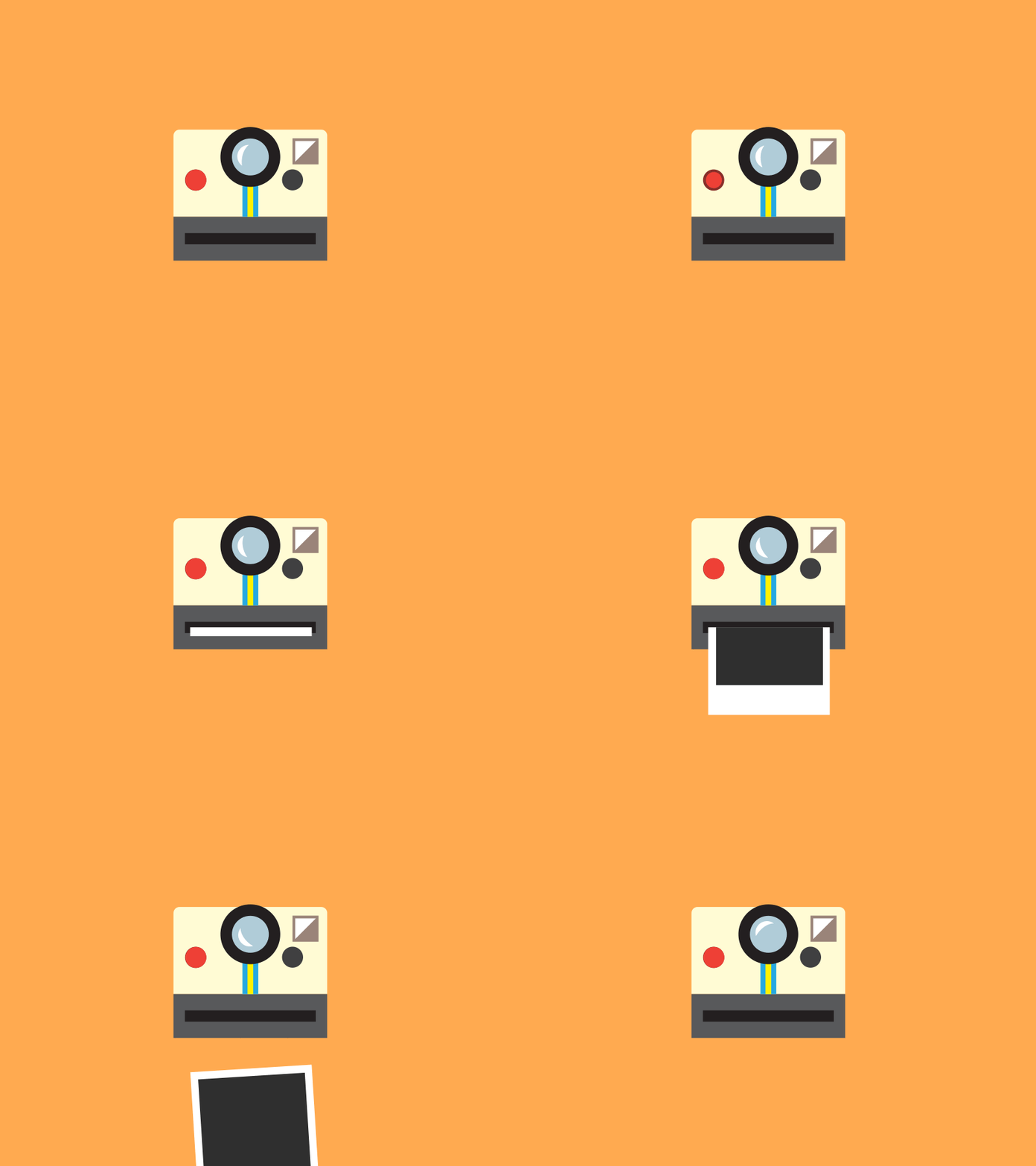
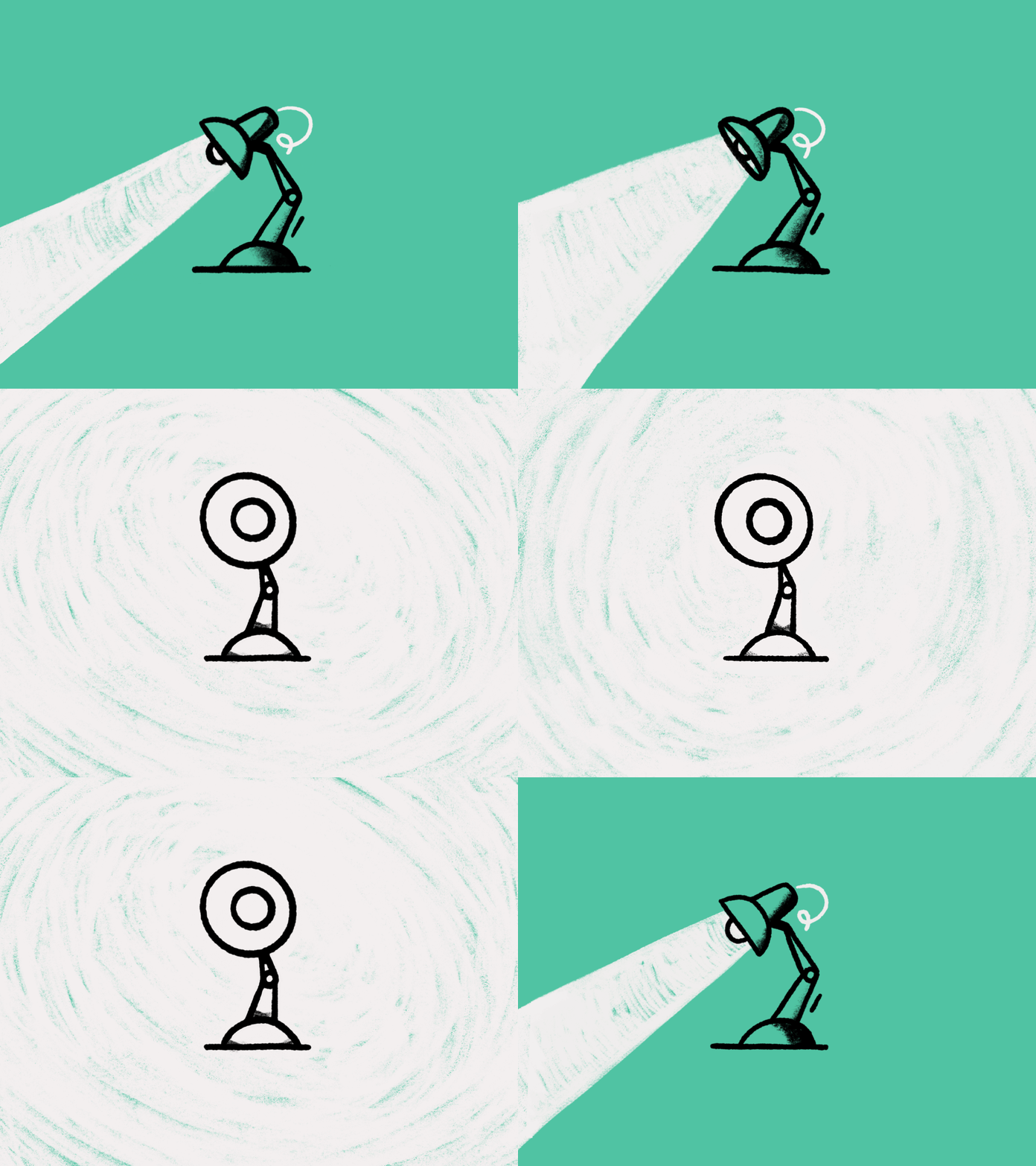

These inspiration images pushed me toward keeping the .gif simple, graphic, and focused on light as the main storytelling element. The camera illustration influenced the flat, minimal style and clear shapes, while the desk lamp and lighthouse images reinforced the idea of light as an active subject rather than just a visual detail. Both use a single beam or flash to direct attention, which directly informed my decision to emphasize the shutter movement and bright flash in my animation. Together, they helped me think about how light, timing, and restraint can communicate an idea quickly without overcomplicating the design.
Flash Warning!!
A Smile. A Flash. A Memory.
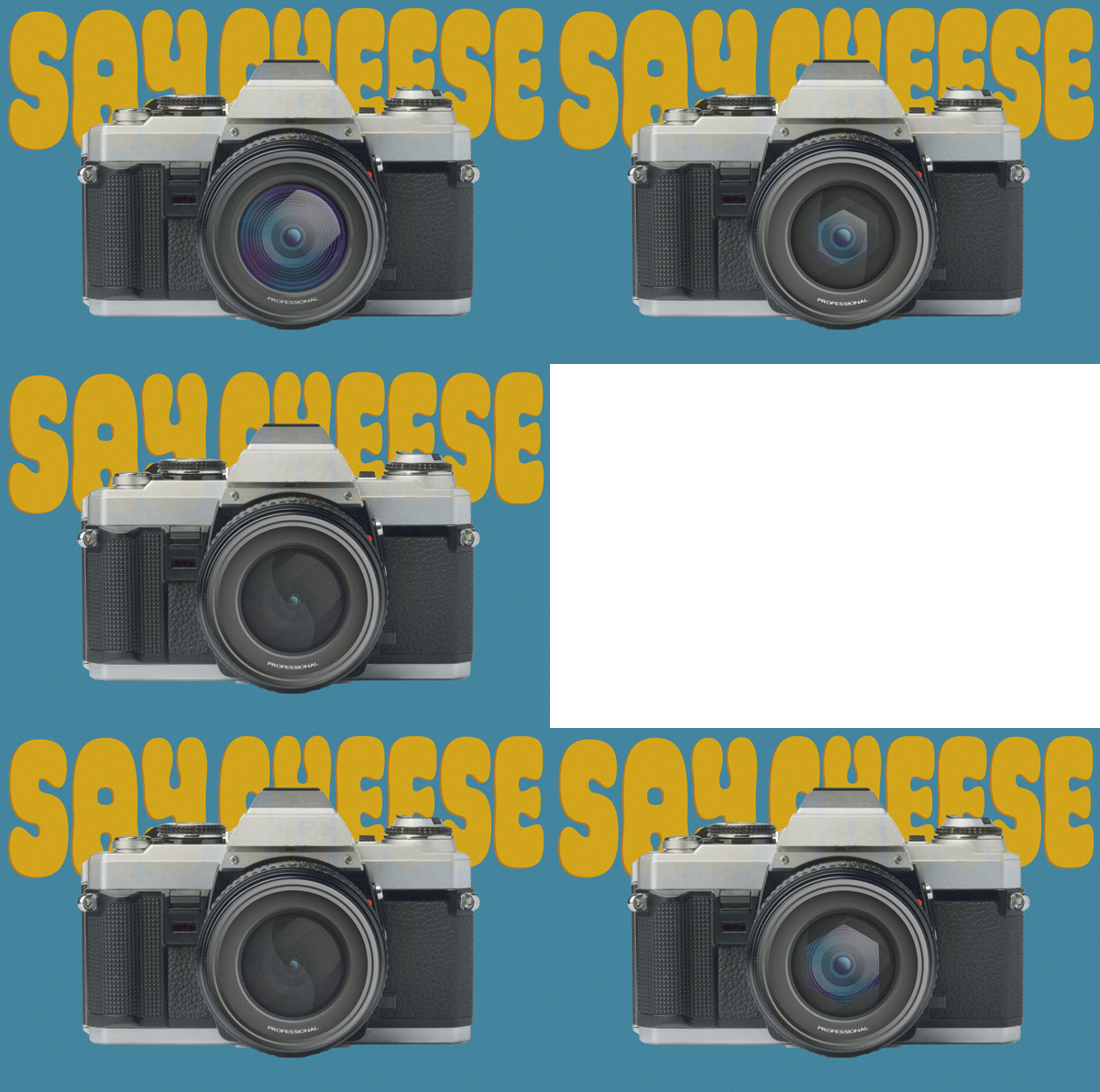
A camera shutter is instantly recognizable and works well for exploring simple, purposeful motion. I created the .gif in Photoshop by compiling images of a camera and the stages of a shutter opening and closing, placing each asset on its own layer and animating them using the timeline tool. The shutter motion naturally mimics the act of taking a photo, and adding a flash helped reinforce that interaction. To add visual interest, I introduced a background color and film grain, but the animation still felt incomplete until I added the text “say cheese,” which tied the concept together and gave the piece context, humor, and a clear visual message.
Inspiration for Onion-Skinning .gif Using Shapes
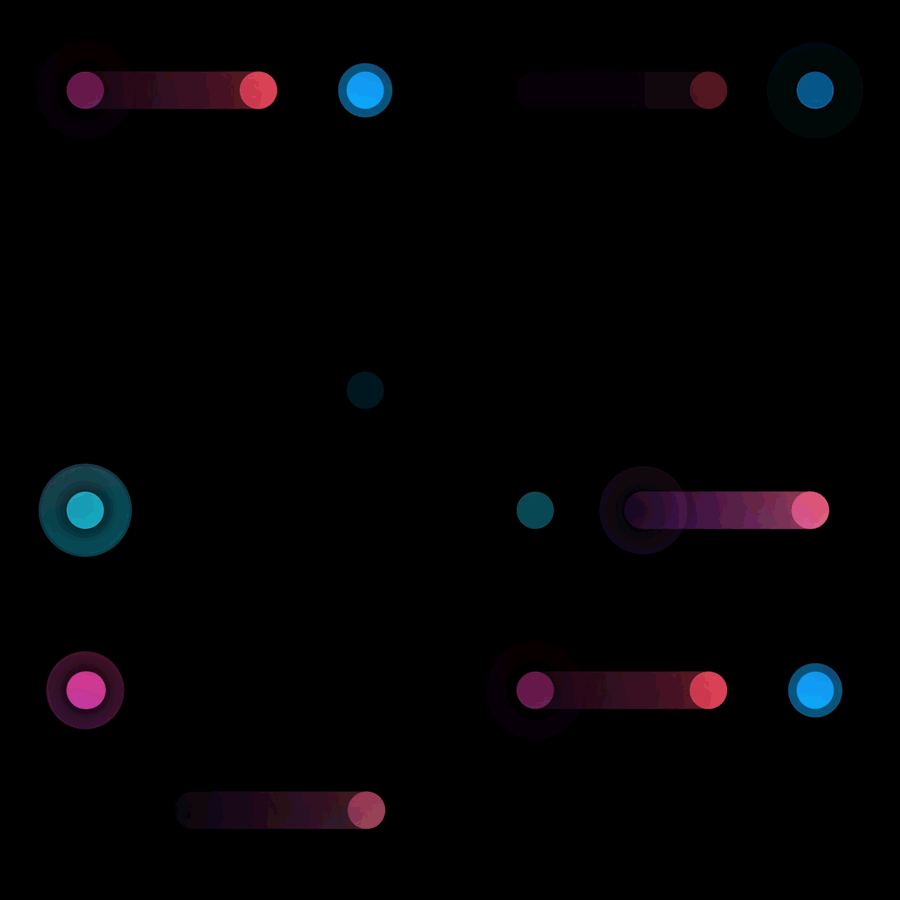
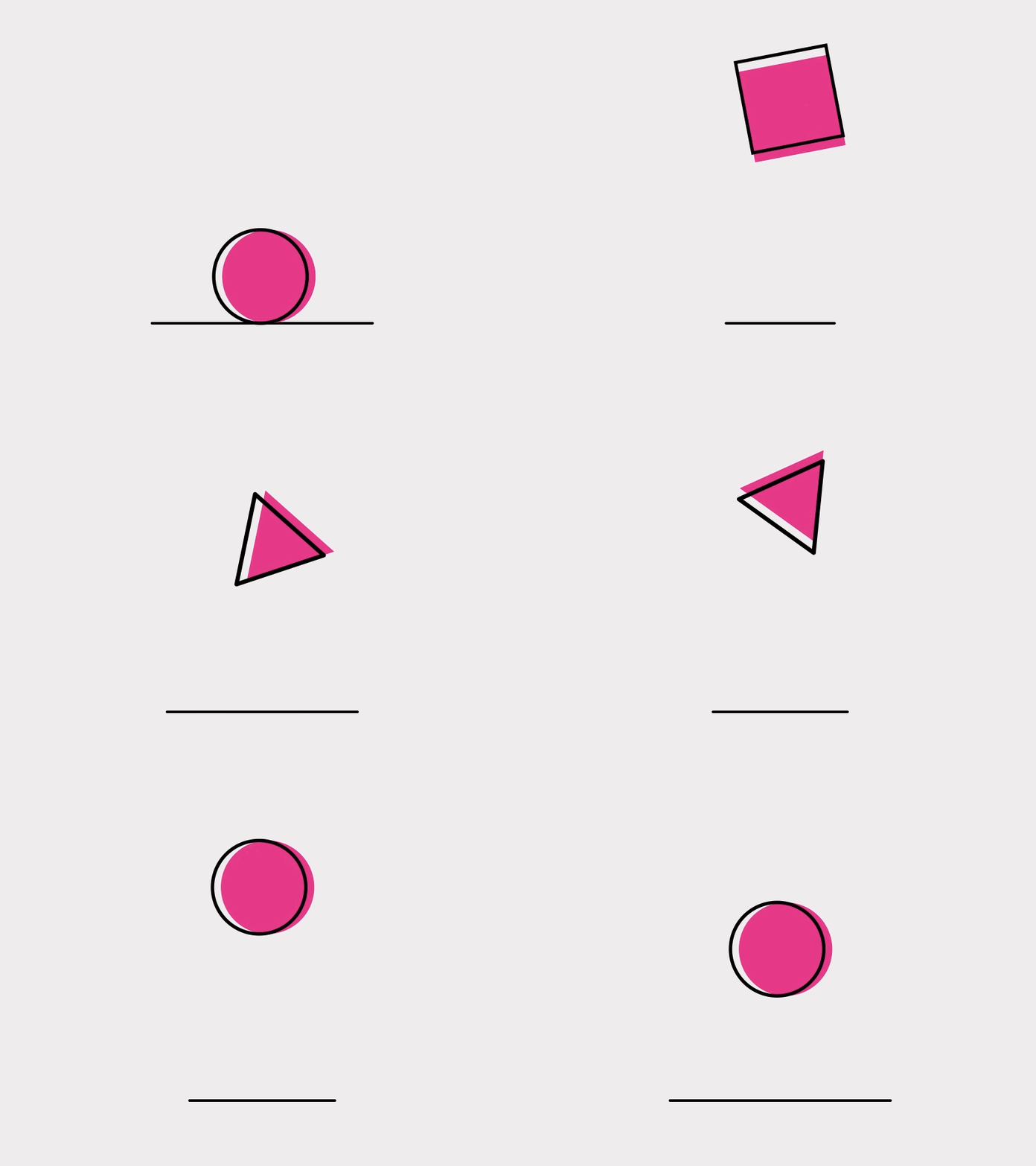

I used these .gifs as inspiration because they use simple geometric shapes, smooth transitions, and satisfying motion to create visually engaging animations. Their minimal style and focus on timing and elasticity influenced my decision to keep my own animation clean and shape-based.
The .gifs also demonstrate how small, repeated movements can feel polished and expressive, which encouraged me to prioritize subtle motion and color interaction rather than complexity. They served as a reference for how a simple design can still feel dynamic, modern, and playful.
Jump. Land. React. Change. Repeat.
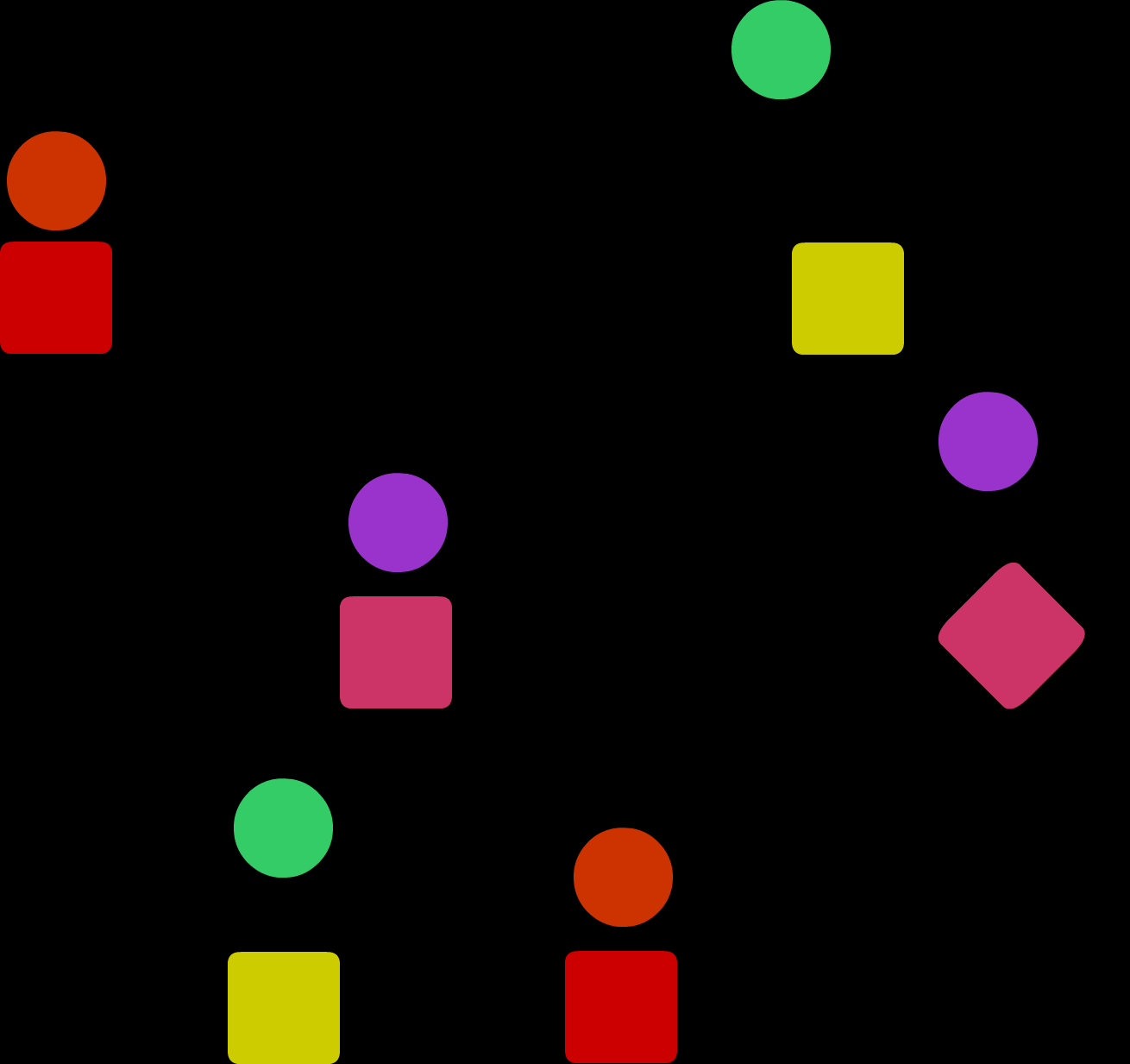
I chose this subject matter because it allowed me to focus on fundamental animation principles without overcomplicating the design, especially since this was my first time using Adobe Animate. I intentionally kept the forms simple, circles and squares, so I could experiment with the program’s features and learn the workflow. Using the shape tool, I created the ball and platforms, then relied on onion skinning to move the ball incrementally across keyframes to simulate a jump. The bouncing and springing motion felt appropriate because it visually communicates weight, energy, and impact, while the color changes reinforce the idea that motion causes a reaction. This exercise helped me better understand timing and spacing, and it showed me how even simple shapes can feel dynamic when motion is intentional.
Inspiration for Cinemagraph
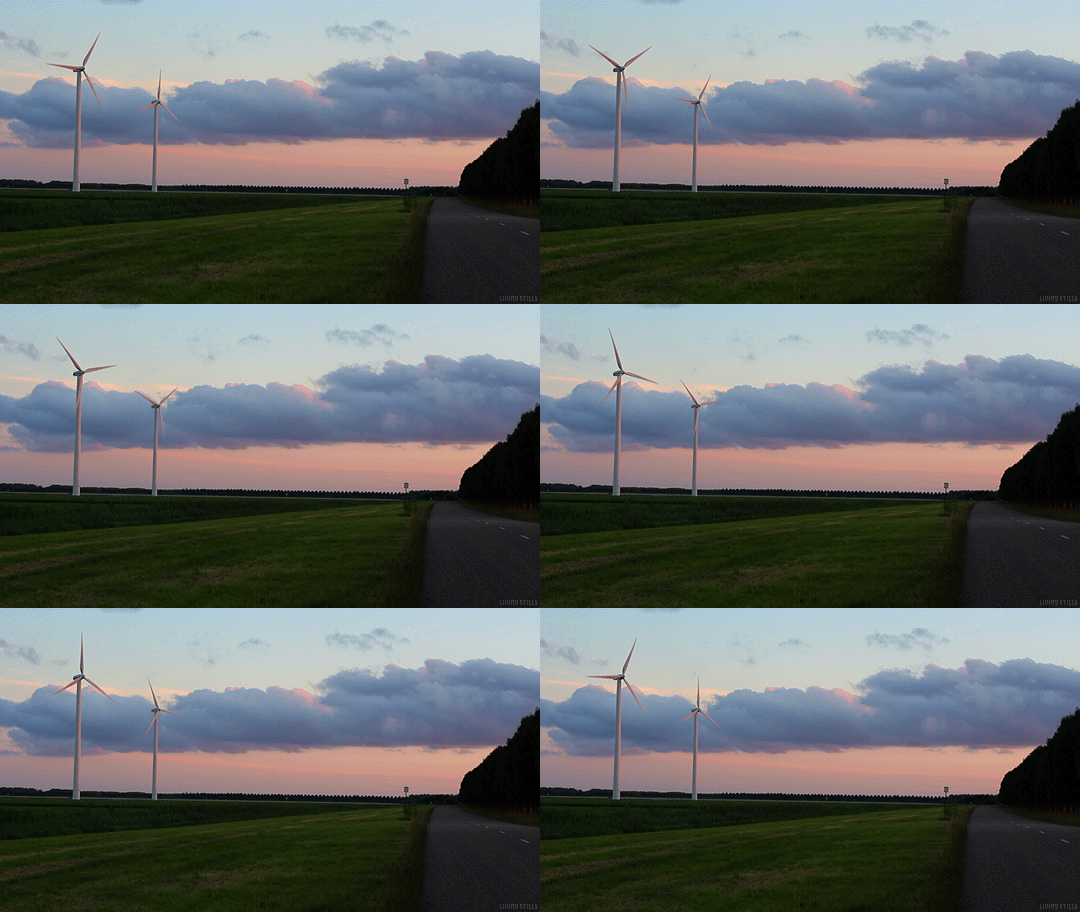
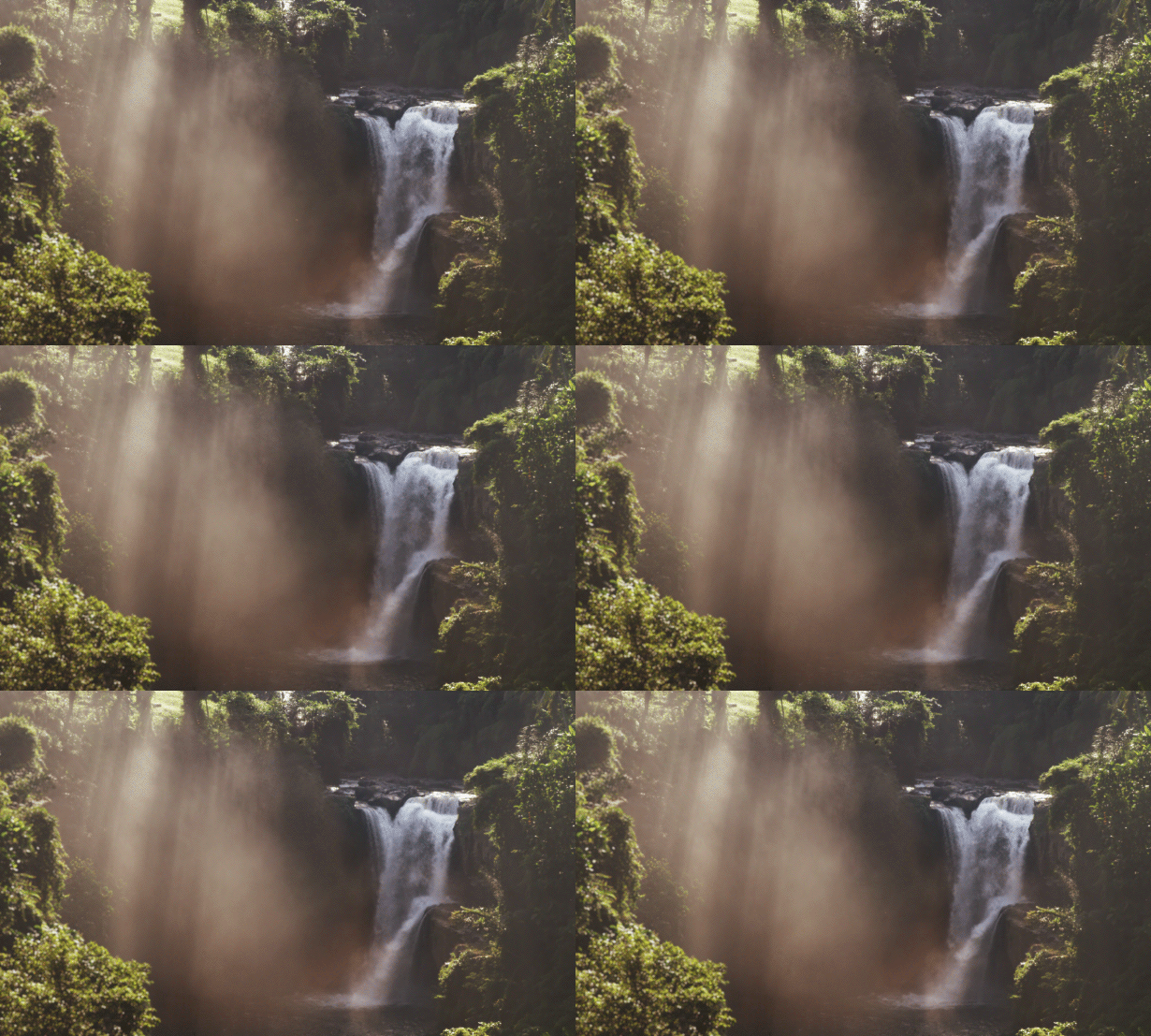

My inspiration images focused on nature-based cinemagraphs where subtle environmental movement, like wind, water, or leaves, adds life to an otherwise still frame. I was drawn to how minimal motion can create a calm, almost meditative effect.
Stillness Holds While The World Moves
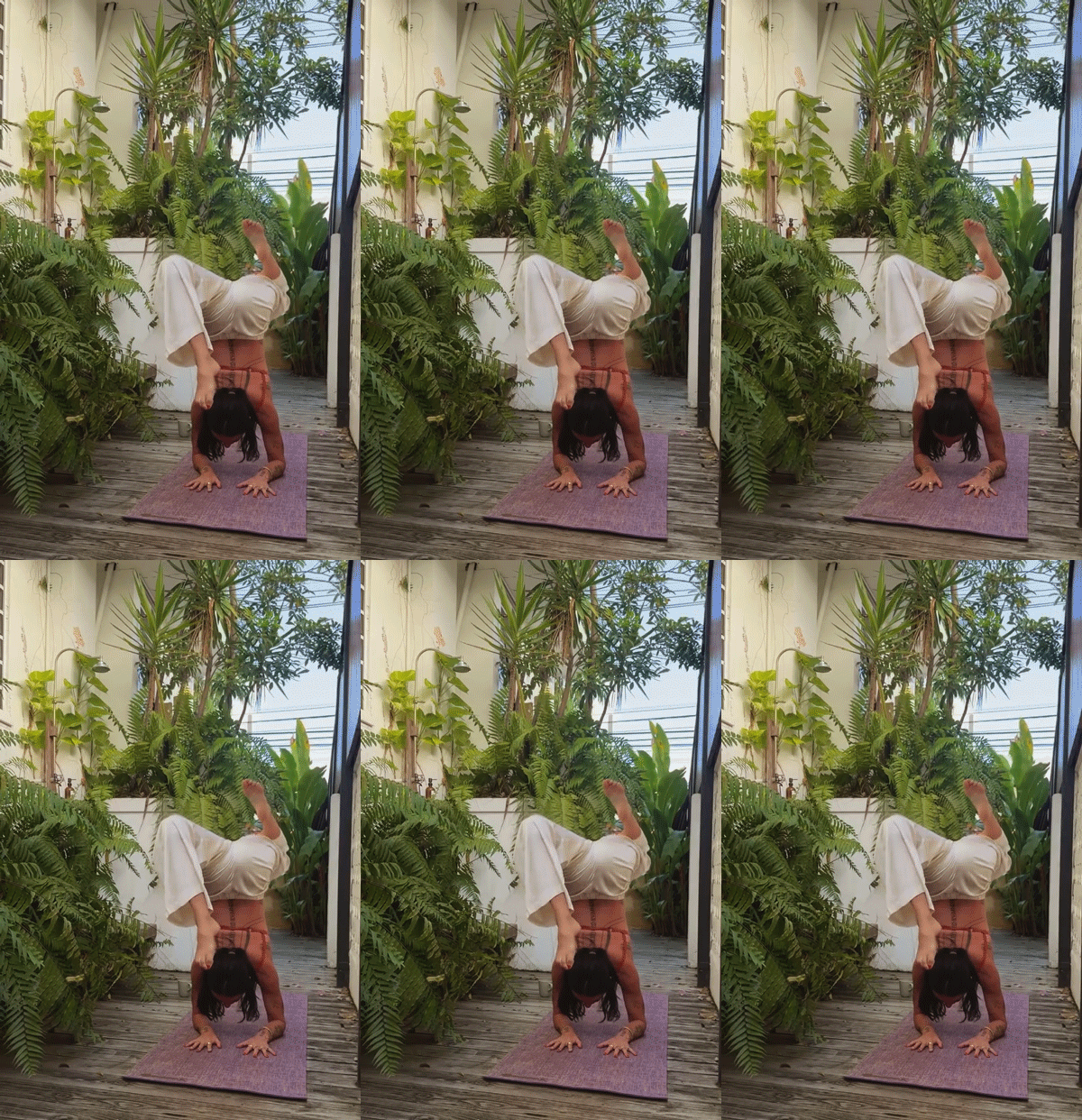
Cinemagraphs caught my attention during research, especially those rooted in nature, and I wanted to try creating one myself. I reached out to my best friend to film a short video of her practicing yoga, and although she was out of the country, she sent me footage that worked perfectly for this piece. I used Photoshop to turn the video into a cinemagraph, keeping her body completely still while masking the background so the plants could move naturally with the wind. The subtle movement felt appropriate because it reinforces the contrast between calm and motion, which aligns with the meditative nature of yoga. This process was surprisingly approachable and helped me see how minimal animation can still feel intentional and impactful, even if the amount of movement was ultimately dictated by nature itself.
References
Blazer, L. (2019). Animated Storytelling (2nd ed.). Peachpit Press.
No responses yet