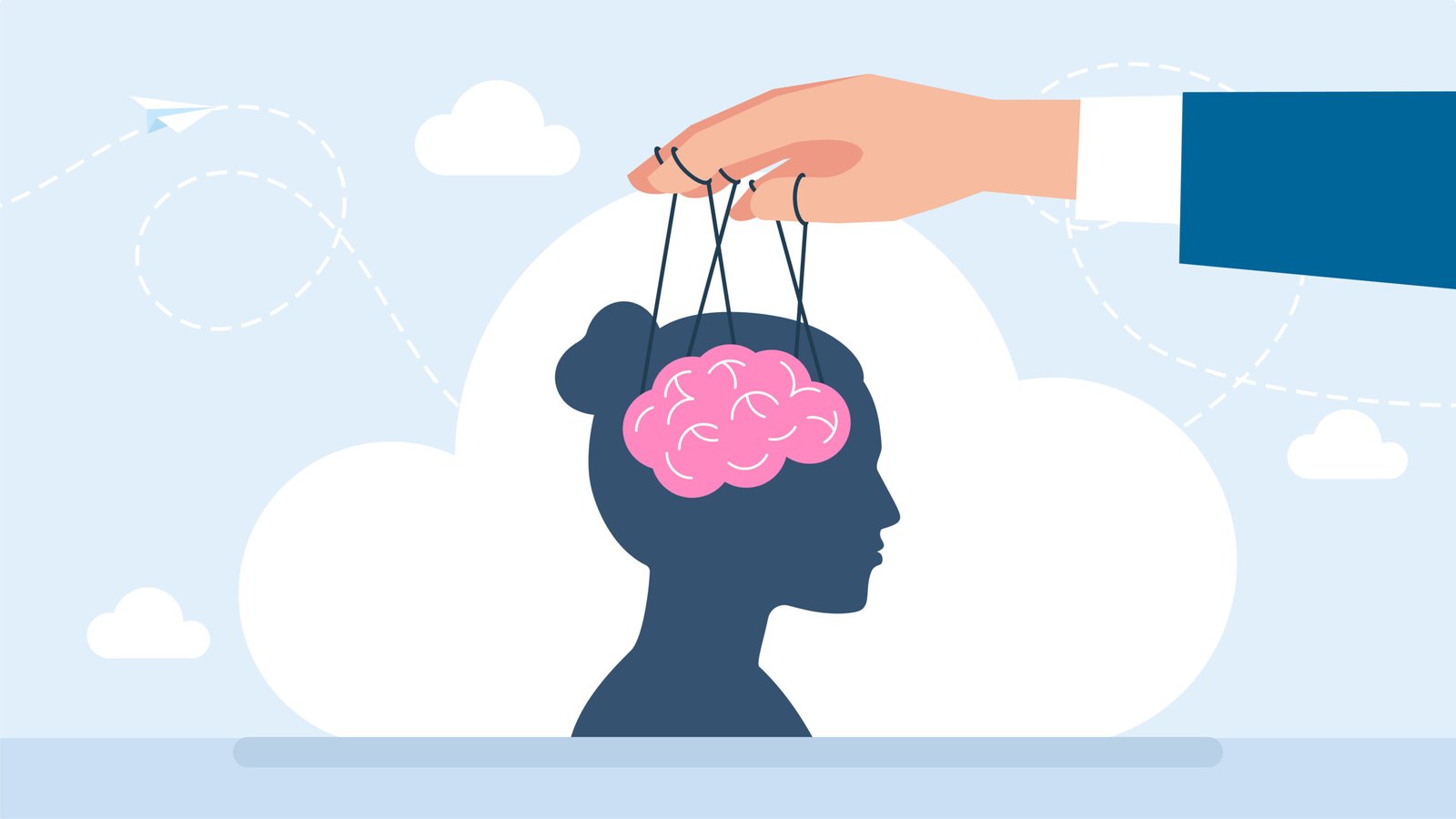
We tend to think of technology as a tool: neutral, passive, a thing we use. But persuasive technology flips that assumption… it’s built not merely to serve us, but to influence us. Platforms are optimized for engagement, exploiting cognitive biases, intermittency of reward, and the human craving for social validation.
This difference matters: when software is designed to nudge, push, or pull us toward certain behaviors, there are real consequences. Users become locked in feedback loops, attention gets hijacked, and worst of all, our sense of self (and standard of “enough”) becomes malleable.
These persuasive architectures create fertile ground for a culture obsessed with both visibility and perfection; a culture in which social media influencers, filters, and cosmetic interventions don’t coexist by coincidence, but by design.
From Zero to Influencer
Becoming an influencer used to be niche; today it’s aspirational… a route to income, identity, and status. In the attention economy, followers are currency. Platforms reward visible traction, and algorithms amplify creators who generate strong engagement (shares, comments, reactions).
Because the same persuasive logics that hook users also uplift creators, many content creators are enmeshed in the system’s incentives. To grow, they curate more sensational content, push boundaries, and often rely on idealized aesthetics to latch onto viewer attention.
As standards shift upward, newer creators feel they must escalate (better lighting, more polished visuals, more extreme transformations). In short: to compete means to conform.
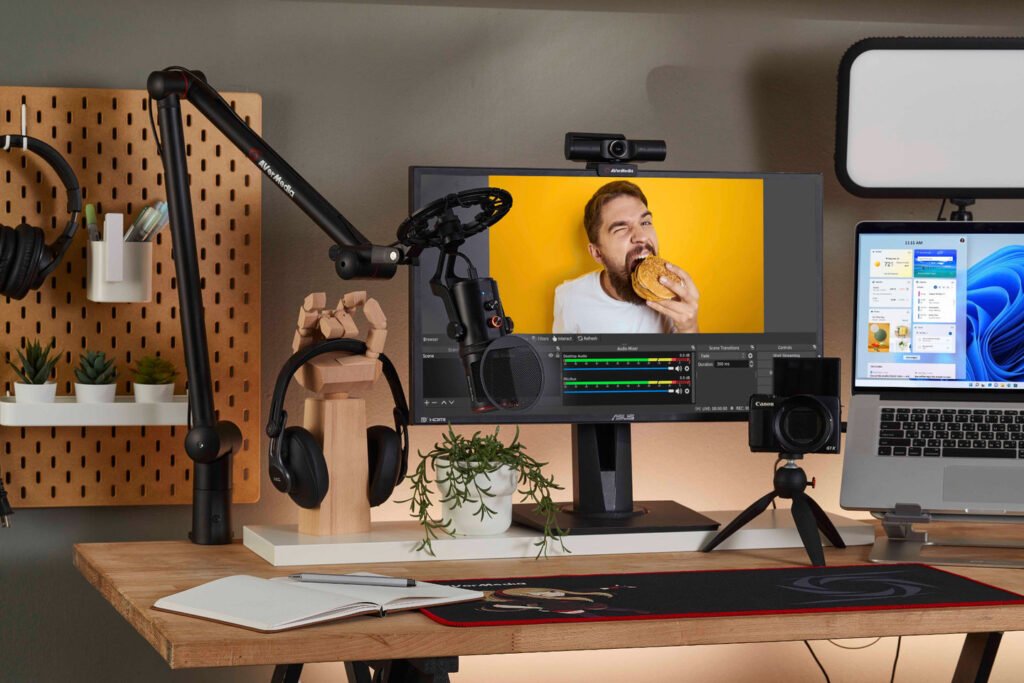
A typical content creator’s setup in 2025:
The Filter Era
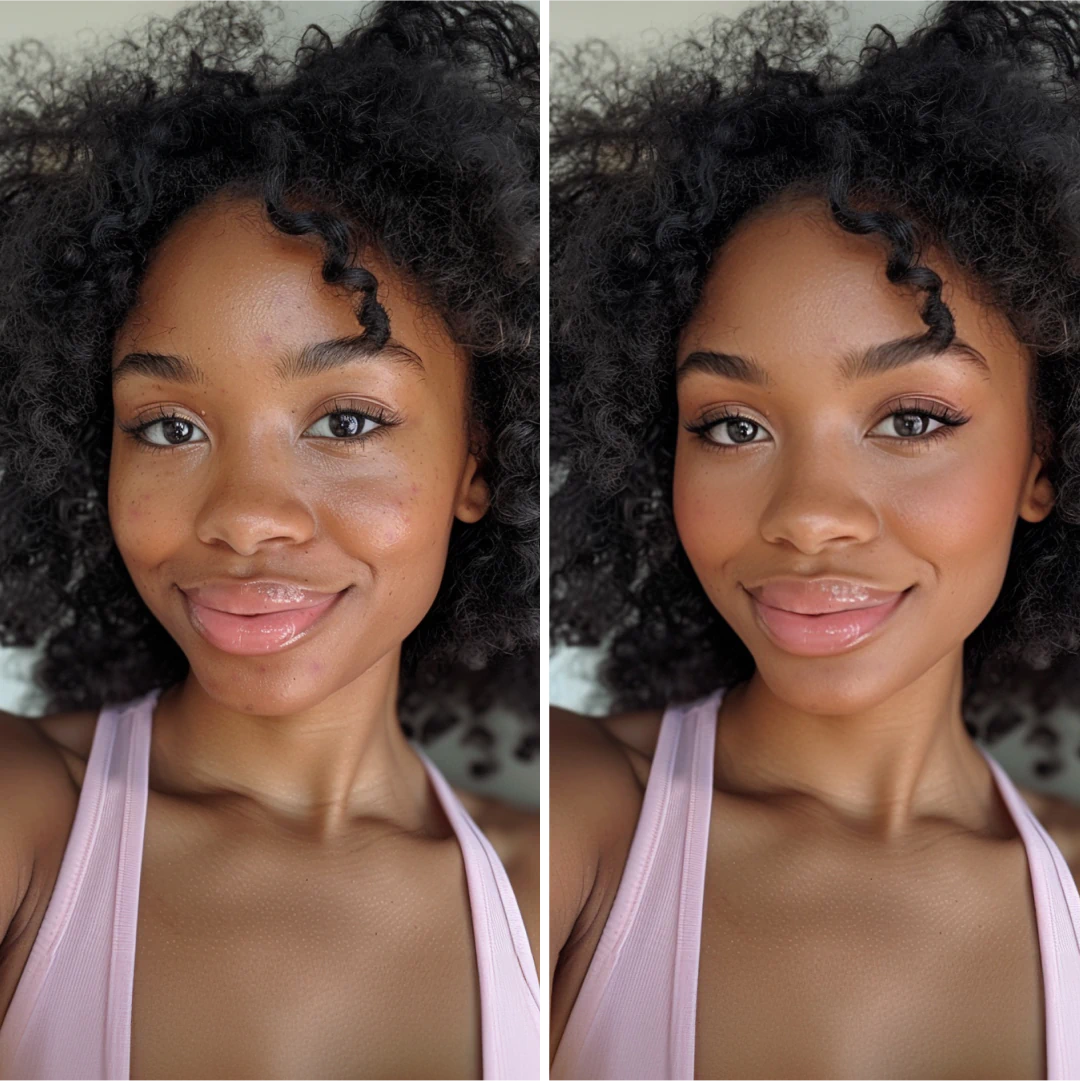
It wasn’t always like this. In the early days of social media, photos were raw and unfiltered or lightly filtered. Over time, AR filters, smoothing, morphing, skin-whitening, “beauty” masks, and distortion tools crept in. Today, billions of users, especially on Instagram, Snapchat, TikTok, regularly apply filters that slim faces, enlarge eyes, remove blemishes, and generally approximate the “ideal.”
These filters didn’t just edit pictures; they edited expectations. Over time, what people see in their feeds becomes the baseline: not how people look in real life, but how they look after filters. This shift accelerated with “beauty filters” that simulate cosmetic surgery.
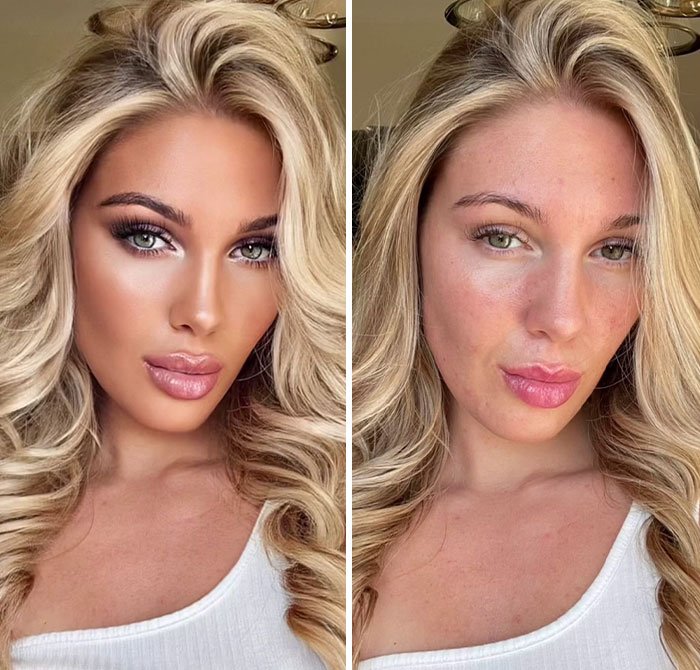
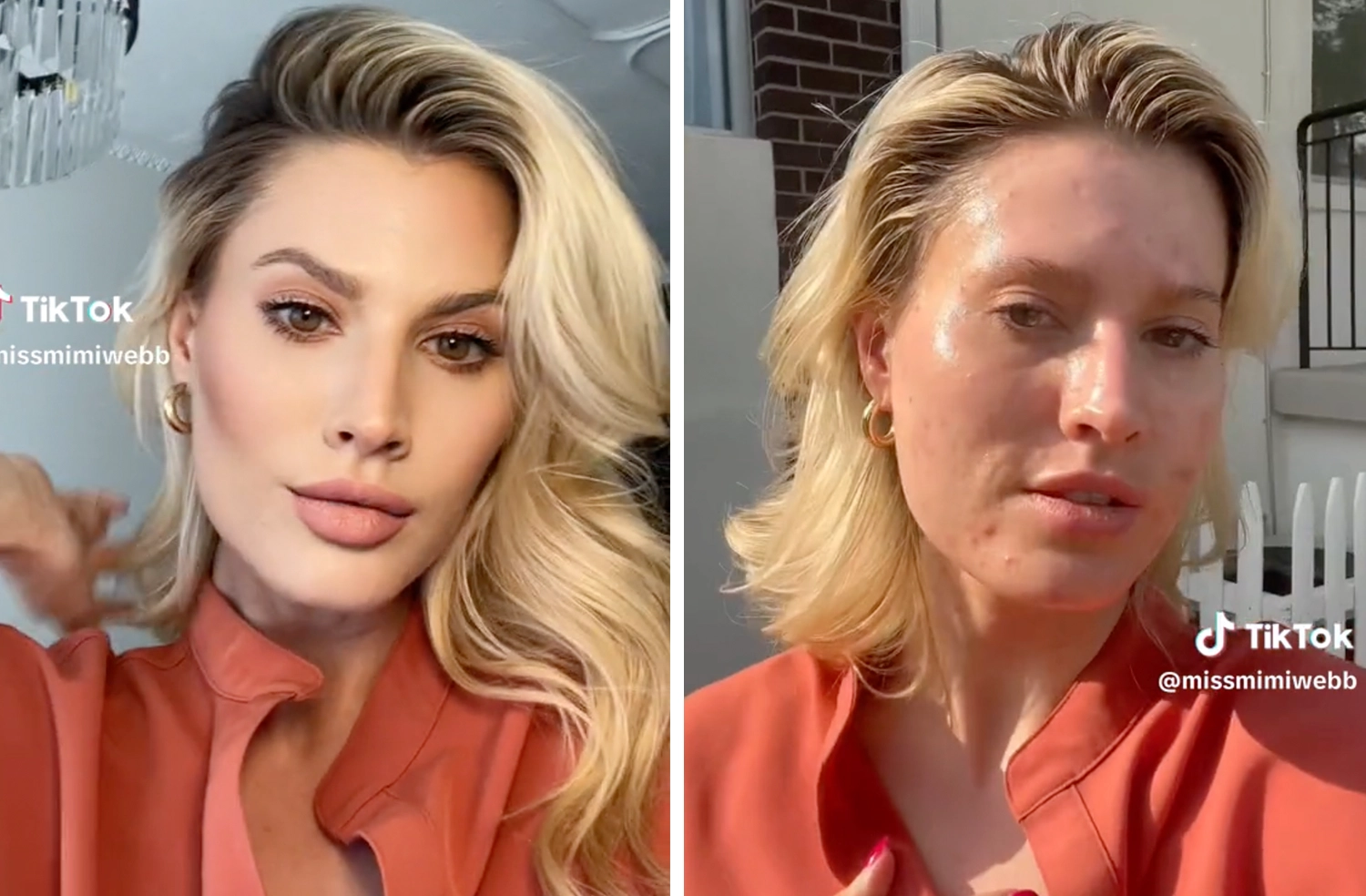
Before & Afters of applying a “beauty” filter (from extreme to barely noticeable):
The Surge in Plastic Surgery
A growing number of people opt for cosmetic procedures to bridge the gap between their unfiltered reality and their filtered ideal.
Multiple studies document rising public interest in cosmetic procedures following the rise of Instagram (post-2012). A Boston University dermatology study found that more time on image-led social media correlates with a higher likelihood of desiring cosmetic work.
Surgeons themselves admit patients increasingly arrive with filtered selfies, requesting surgeries to replicate the smooth contours, high cheekbones, slim chins, and ethereal perfection they “see”.
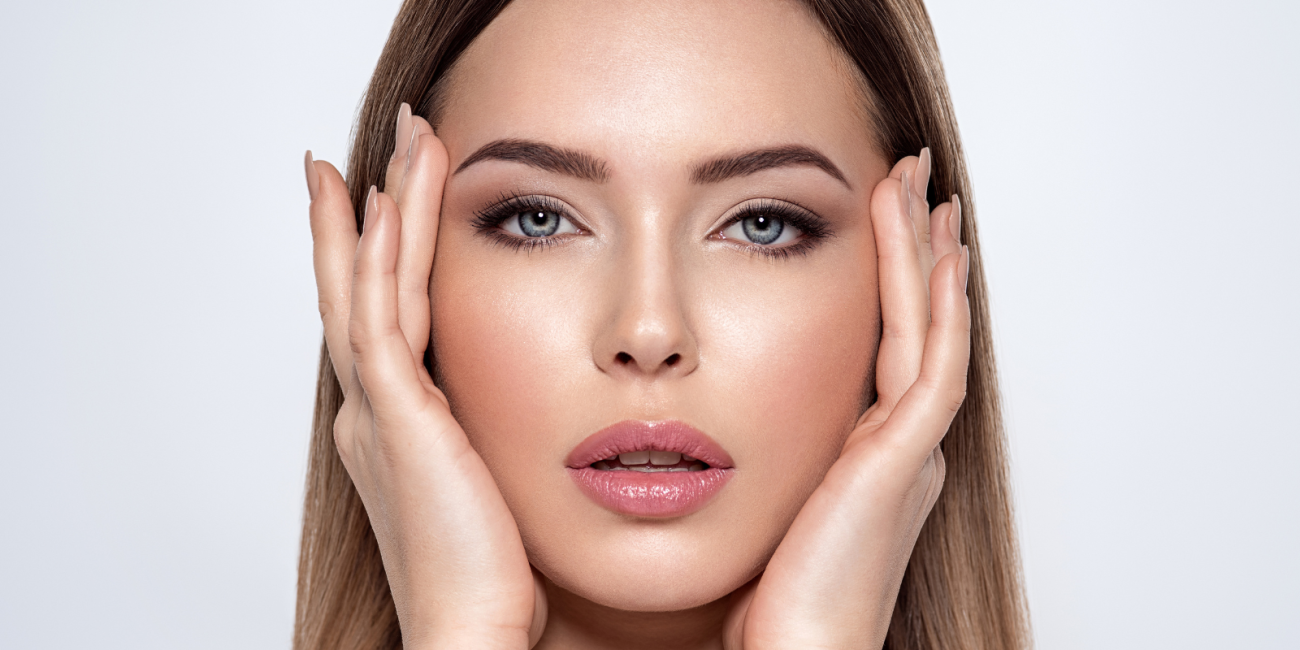
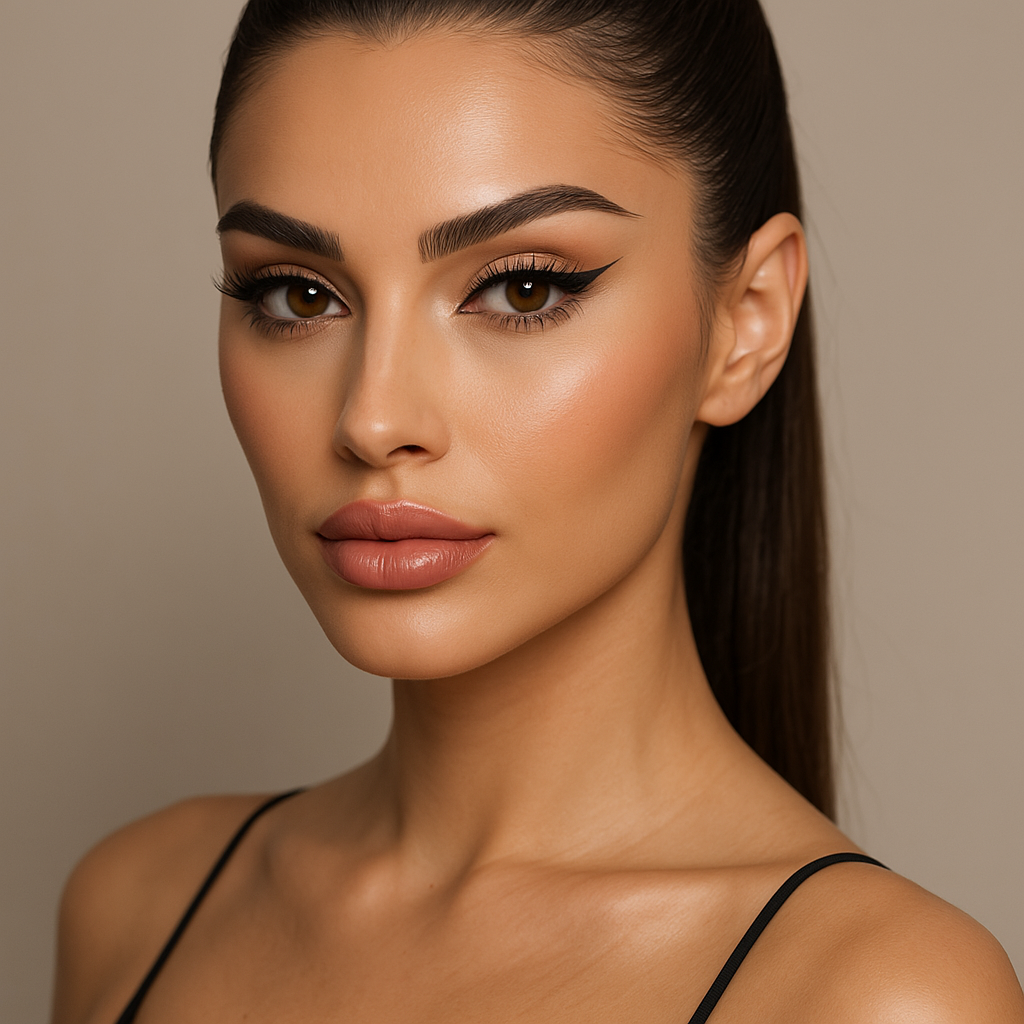
“Instagram face” is now used to describe a homogenized beauty norm shaped by filters: full lips, high cheekbones, catlike eyes, glowing skin. When people literally try to manifest that look on their bodies, the psychological and medical risks are nontrivial; from dissatisfaction after surgery, complications, body dysmorphia, to perpetuating the system for the next generation.
“Instagram Face”:
Another telling dynamic: influencers and plastic surgeons often partner. Influencers feature their cosmetic enhancements, surgeons gain exposure, and discounts or affiliate deals make procedures seem more accessible.
In short: persuasive technologies push attention; attention rewards aesthetic extremity; aesthetic extremity drives cosmetic interventions.
Toward a More Humane Digital Future
So where do we go from here? Recognizing persuasive technology’s role doesn’t mean rejecting all tech, but rather redesigning for human flourishing.
- Platforms could limit or label distortion filters, encourage more diverse, realistic representations, or promote “unfiltered” content.
- Creators could push back and show raw skin, transparency, process over product.
- Regulators and designers might reconsider algorithms optimized for ever more extreme content.
- As consumers, we can cultivate media literacy: asking when our desires are genuinely ours, and when they’ve been designed for.
Because ultimately, the problem isn’t influence per se… it’s invisible influence pushing us toward narrower, more destructive ideals. Technology could be humane: supporting authenticity, curiosity, and connection, not vanity.
References
Persuasive technology. (n.d.). Center for Humane Technology. https://www.humanetech.com/youth/persuasive-technology
BJGP Life. (2021, October 22). Social media, persuasive technology and the attention economy: an urgent public health problem. BJGP LIFE. https://bjgplife.com/social-media-persuasive-technology-and-the-attention-economy-an-urgent-public-health-problem/
Veras, E. M., Ledesma, S. R., Matos, J. a. A., Cortorreal, M. E. C., Goncharova, I., Bonilla, R. B. R., Rosario, A. R., & De Jesus Encarnación Ramirez, M. (2025). Influence of Social Media Filters on Plastic Surgery: A Surgeon’s Perspective on Evolving Patient Demands. Cureus. https://doi.org/10.7759/cureus.80483
Bouranova, A. (2024, May 2). BU Study Shows a Correlation between Social Media Use and Desire for Cosmetic Procedures. Boston University. https://www.bu.edu/articles/2024/study-shows-correlation-between-social-media-use-and-cosmetic-procedures/
Wikipedia contributors. (2025, June 22). Instagram face. Wikipedia. https://en.wikipedia.org/wiki/Instagram_face
One response
Its like you read my mind You appear to know so much about this like you wrote the book in it or something I think that you can do with a few pics to drive the message home a little bit but other than that this is fantastic blog A great read Ill certainly be back